Cellular Micrografting
at maxim hair restoration
What Is Cellular Micrografting?
Cellular micrografting is an advanced non-surgical hair restoration therapy designed for individuals who want to strengthen their existing follicles, reduce thinning, and improve long-term hair health without undergoing a full transplant. This regenerative technique uses your own healthy follicular tissue to deliver growth signals directly to areas struggling with weakened hair, inflammation, or thinning. It is ideal for patients who are not yet ready for surgery,
Read More
Types of Cellular Micrografting
Cellular micrografting can be applied in different ways depending on your hair loss pattern, level of thinning, and whether you are pairing it with additional procedures. At maxim hair restoration, we offer several approaches:
Why Choose maxim for Cellular Micrografting
Choosing where to receive cellular micrografting is just as important as the treatment itself. At maxim hair restoration, you benefit from specialized clinicians, advanced regenerative systems, and a patient-focused approach.
Every case is overseen by experienced practitioners trained specifically in hair restoration techniques and regenerative scalp therapies.
We offer competitive pricing and financing plans to make regenerative hair treatments accessible for patients across the U.S.
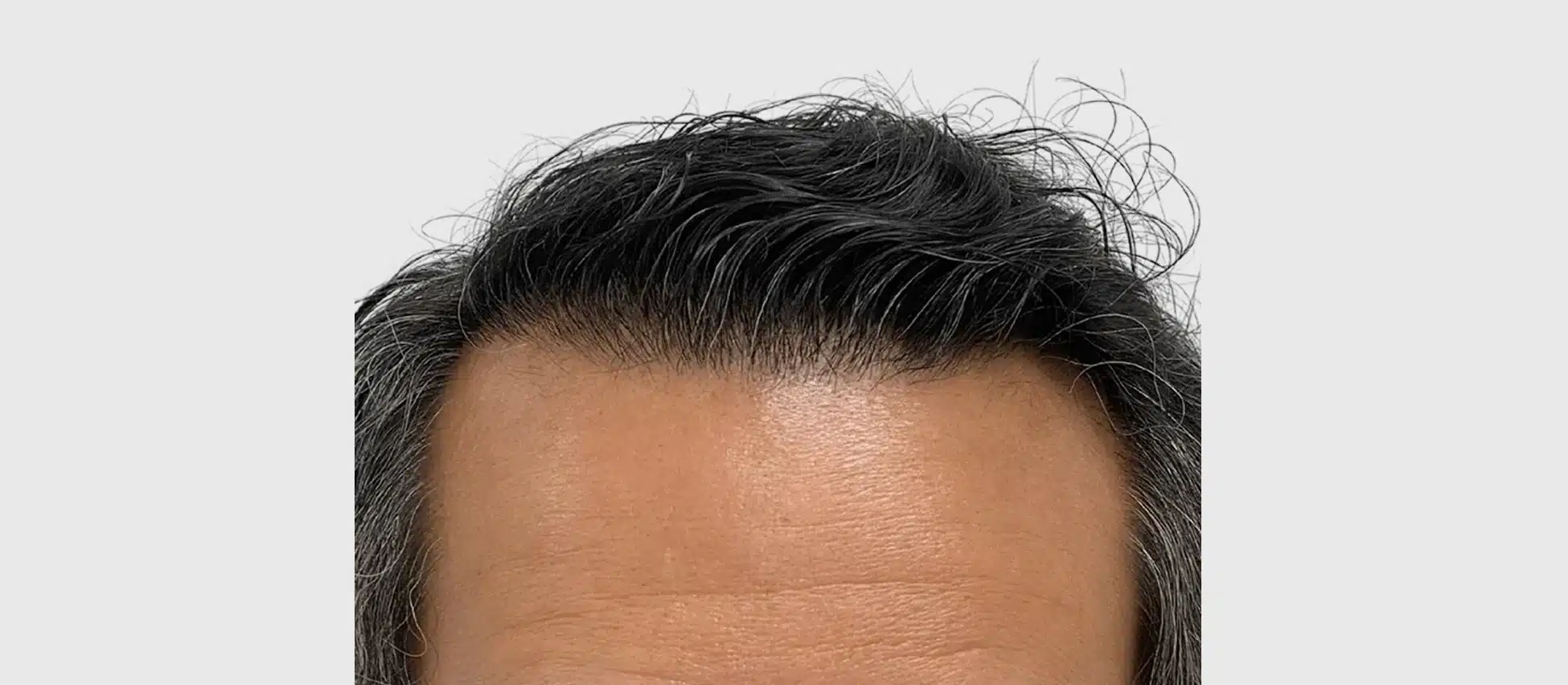
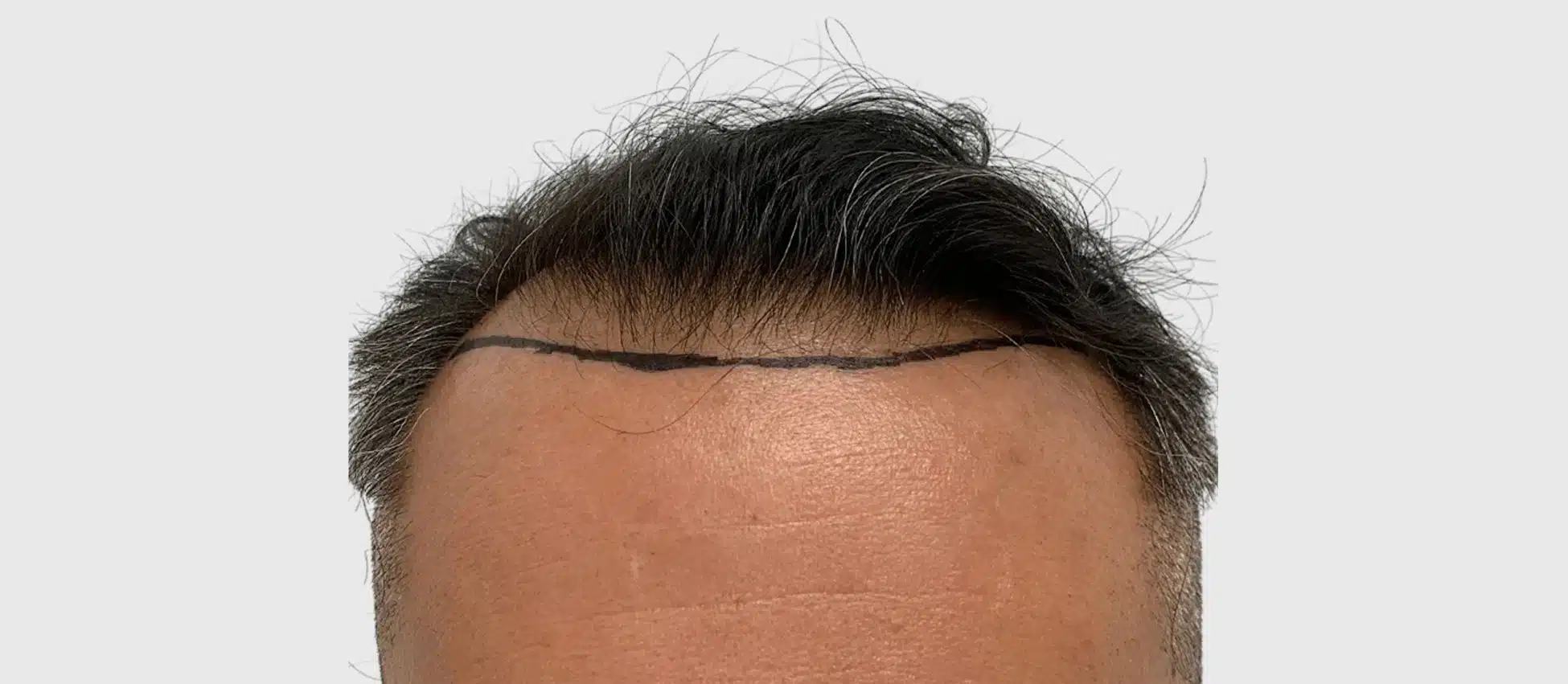
Our Gallery
Proven outcomes backed by experience and expertise


Advantages of Cellular Micrografting

No Downtime
The procedure is quick (1–2 hours), discreet, and requires no recovery period. Most patients return to work immediately.

Fast, Visible Improvement
Many individuals notice stronger growth, less shedding, and better texture in as little as 90 days.

Strengthens Existing Hair
The regenerative matrix helps restore follicle structure, improve growth cycles, and reduce the effects of inflammation and DHT.

Natural & Autologous
Because the solution is created from your own tissue, there is no risk of allergic reaction.

Pairs Well With Hair Transplants
Micrografting can significantly enhance transplant outcomes by improving the scalp’s healing environment.
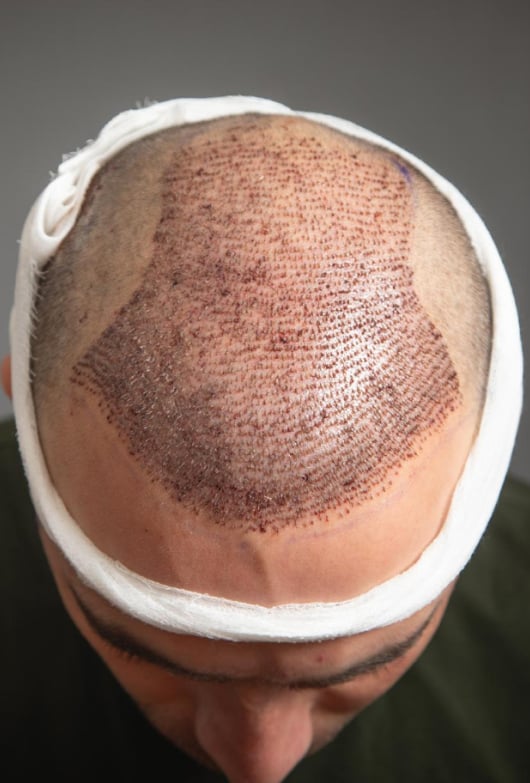
Cellular Micrografting Technologies

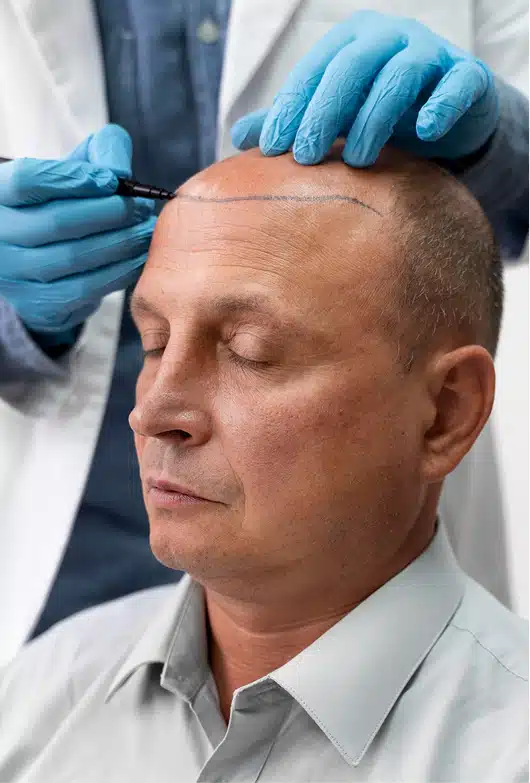
Precision Micro-Harvesting Tools
We use the same high-quality extraction devices used in FUE to remove small donor follicles with minimal trauma.

Regenerative Centrifugal Processing
A state-of-the-art processing system mechanically disaggregates the tissue to release dermal papilla components and regenerative factors.

High-Magnification Tissue Prep
Every harvested follicle is handled under magnification to ensure quality and consistency.

Controlled Depth Injection Systems
Specialized injection tools allow precise delivery into areas of thinning for optimal distribution.
Contact us
Our Specialized Cellular Micrografting Doctors & Clinicians
Our team of doctors and clinicians is trained specifically in regenerative hair restoration, including cellular micrografting.
Each provider has deep expertise in harvesting follicular units, preparing autologous cellular material, and injecting regenerative solutions with precision and artistry.
Their knowledge of hair biology, scalp anatomy, and progressive thinning patterns allows them to tailor each treatment to your unique needs. From the first evaluation to your follow-up visits, you are guided by professionals who understand how to maximize results naturally, safely, and effectively.
Preparing for Your Cellular Micrografting Journey
A smooth experience starts with good preparation. We guide you through each step so you know exactly what to expect.

Initial Consultation
Meet with a clinician to review your hair loss pattern, medical history, and expectations.

Medication Review
You may need to pause NSAIDs, aspirin, steroids, or alcohol to protect the Read More

Scalp Preparation
Arrive with clean hair free of oils or styling products.

Health Considerations
Disclose autoimmune disorders, skin conditions, or previous scalp treatments so we can adjust your plan.

Treatment Timeline Planning
Your provider will map out how many sessions are needed and whether pairing treatments will improve outcomes.
Procedure Details & Duration
A little preparation goes a long way in ensuring success

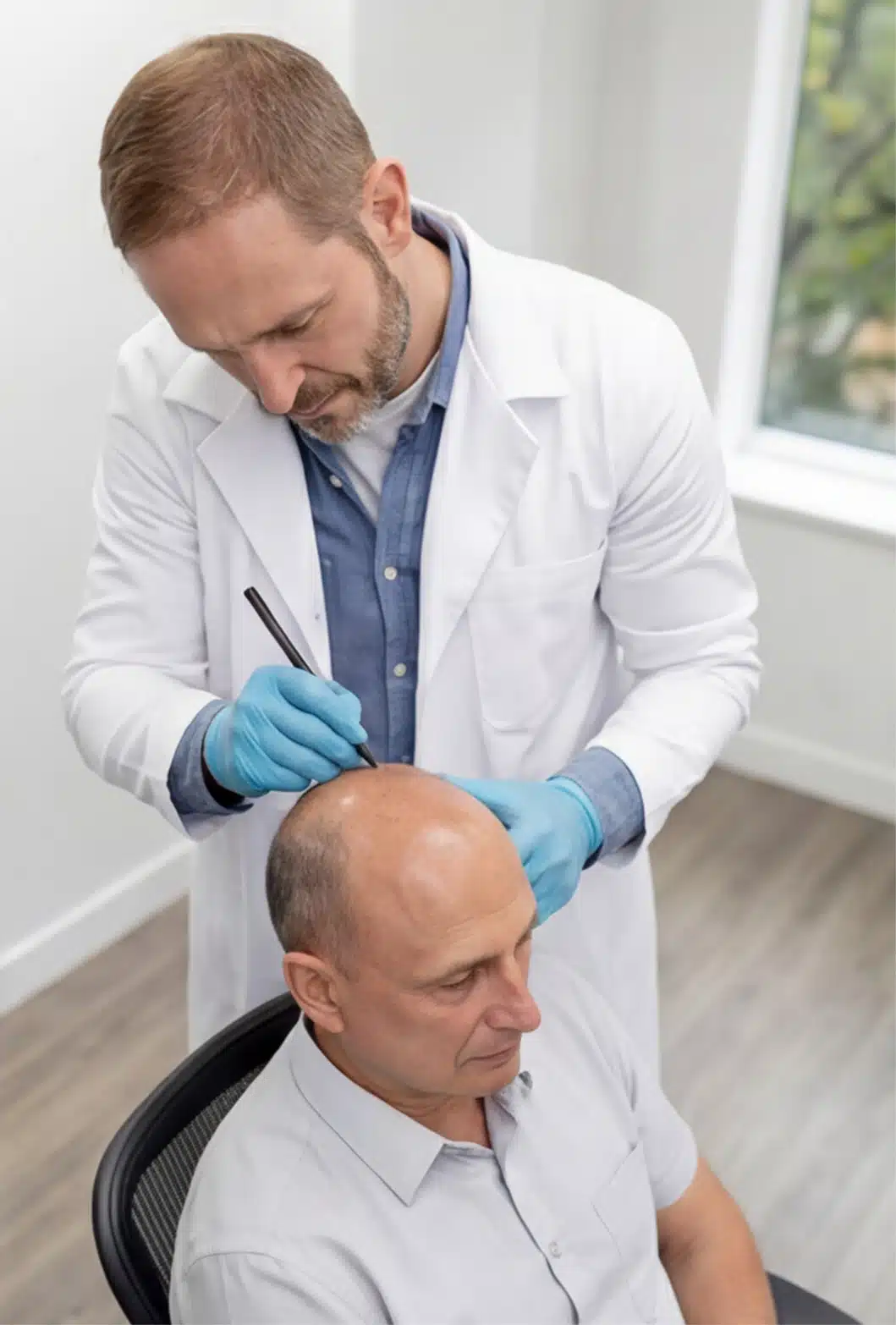
A typical cellular micrografting session lasts 1–2 hours. The procedure begins with cleaning and numbing a small area behind the ear. Using a precision extraction tool, your provider harvests 6–12 healthy follicles (or more if recommended). The tissue is then processed in a mechanical system that extracts the regenerative matrix and prepares it for injection. Once the solution is ready, it is injected into thinning or weakened areas using controlled depth techniques. Because this is a minimally invasive procedure, you can resume normal activities immediately.
Recovery & What to Expect Next
A little preparation goes a long way in ensuring success

Immediate Recovery
Most patients experience mild tenderness or redness for only a few hours.
Early Shedding Stabilization
Hair shedding often decreases within the first several weeks as inflammation improves.
Visible Change
Improvements in texture, shine, and strength appear around 6–12 weeks.
Long-Term Growth
Increased density often becomes more noticeable between 3–6 months, with Read More
Ongoing Support
Your clinician may recommend pairing micrografting with additional non-surgical Read More
Frequently Asked Questions
Helpful information to guide your hair restoration decisions.

Blogs
Insights, guides and updates from the world of hair restoration.